Find out how you can help during consultation with families in such a way that the family activates its own strength and becomes stronger during effective problem solving than it was before the crisis!
Brief description of training
"The purpose of the training is to train intellectuals who cultivate the science of theology at a high level, thereby being able to join the spiritual leadership of individual churches and religious communities" (KKK)
Working professionally with couples and families requires, in addition to theological knowledge, insight into other sciences, e.g. the acquisition of family counseling skills. The Theology MA Christian Family Counselor course enables this integrated expansion of knowledge. In addition to gaining theological knowledge, you can gain insight into how couples and families can be helped to activate their own resources during consultation and to deal with future problems more successfully after effective problem solving. You can learn about the family psychological and family theological aspects of the church rituals that accompany the most important stages of family life and the ritualization itself, as well as the consultation opportunities that you can use to help families in your work.
The acquired knowledge has a favorable effect on the functioning of one's own family and relationship.
In the future, you can continue expanding your knowledge, developing your skills and abilities at our Family Counselor/Family Therapist specialist training, where you can obtain a new Family Counseling specialist qualification in two more semesters.
Out-of-pocket expenses/reimbursement: With a state scholarship or at out-of-pocket expenses: HUF 150.000/semester
4 semesters
Day and correspondence (hybrid training)
This is what you will learn
In the 2-year process of the training, theory, practice and self-knowledge are organically intertwined: i.e. what you learn in theory, you can reflect on the experiences of your own family biography so that, by understanding them better, you do not project your own family image onto the families you work with. In this way, you can also recognize your strengths that help you in consulting work. In the theoretical part: You gain insight into the family cultural history fufunction and social position, you will learn about the cycles of family development and specific sticking points. You get to know the system approach and system-based communication.You will get to know the most important family and couple therapy concepts, including Iván Böszörményi-Nagy's contextual theory and the ethical dimension related to it. Psychopathology I-II. subject is important for you to recognize if a family struggles with pathological phenomena, and be able to direct him to the right specialist, since the family counselor cannot perform therapeutic work, his role is to help with recognition and appropriate specialist care.In the methodological/practical part: You will learn the basic methods related to the basic knowledge of family counseling, the possibilities of solving obstacles in the life cycle changes of the family, the family counseling possibilities of the specific problems of relationship crisis, divorce, mosaic family, the basics of the methods of couple counseling. During our subject of consultation with families in special situations, you will see the specific elements of consultation with families living in crisis after crisis in the field of child protection. You will get help az case description methodology, and that case processing, and later we will process the experiences of family consultations led by you in supervision classes. During the training, you can only conduct consultations with supervision support, so personal participation in these is essential.
Entry requirements
Courses accepted as prerequisites for entering the Christian family counselor master's degree specialization:
the unconditionally accepted course for entry is the bachelor's course in theology,
courses accepted under the conditions specified for entry:
On the basis of a - minimum - basic degree obtained in a non-theology (BA) major, or on the basis of a professional qualification, the applicant may be granted 90 credits from the knowledge areas of the core material of the theology BA training, based on a comparison of the knowledge used to determine the credit. If, on the basis of the above comparison, the existence of less than 90 credits, but at least 30 credits can be verified, the missing credits must be obtained within four semesters from the date of admission in accordance with the study and examination regulations of the PTF (so you can acquire the missing credits during the training).
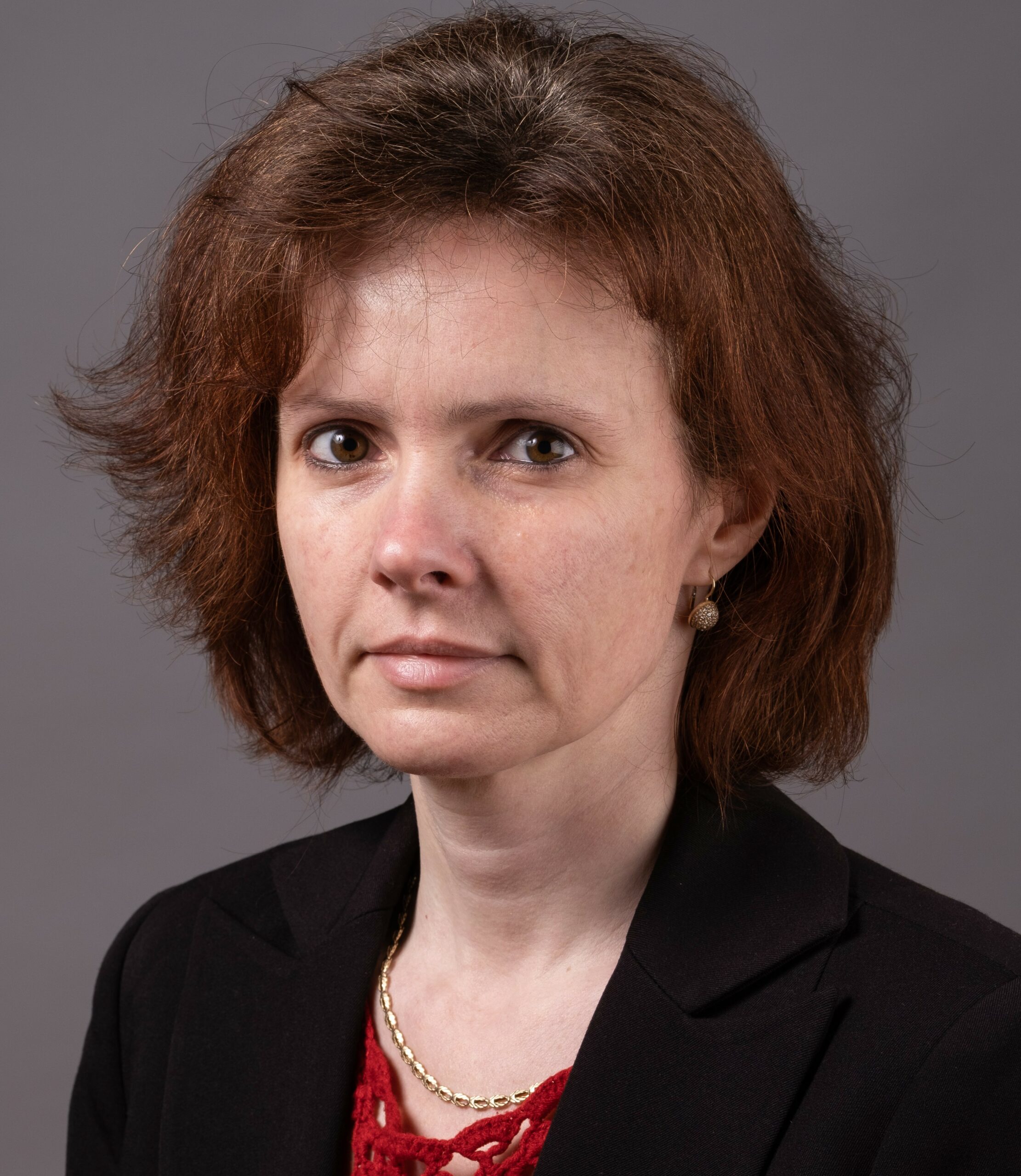
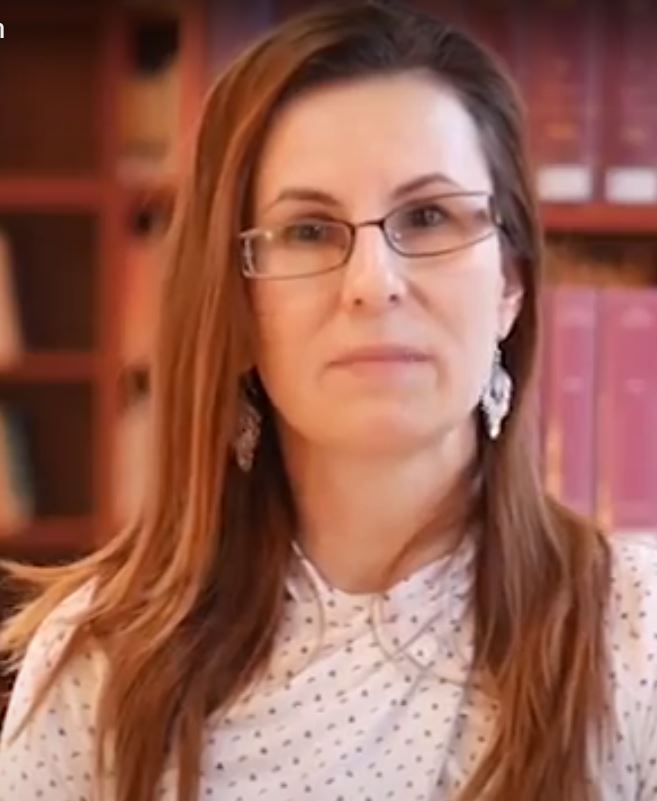
Head of Department - Department of Pastoral Psychology, Theology MA Christian Family Counselor specialization, Head of further training in Family Counselor/Family Therapist
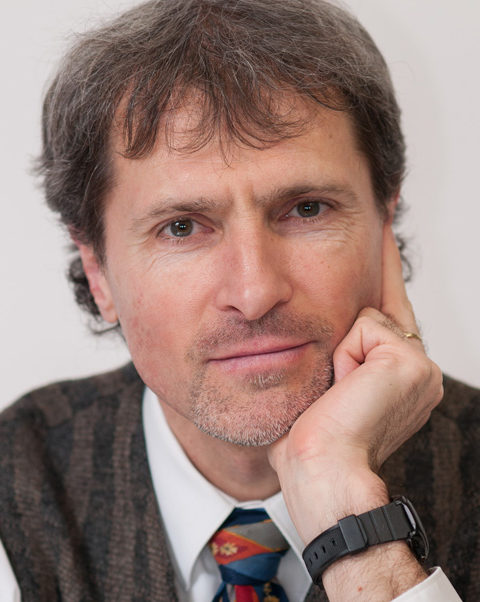
Head of Department - Department of Pastoral Psychology, Theology MA Christian Family Counselor specialization, Head of further training in Family Counselor/Family Therapist
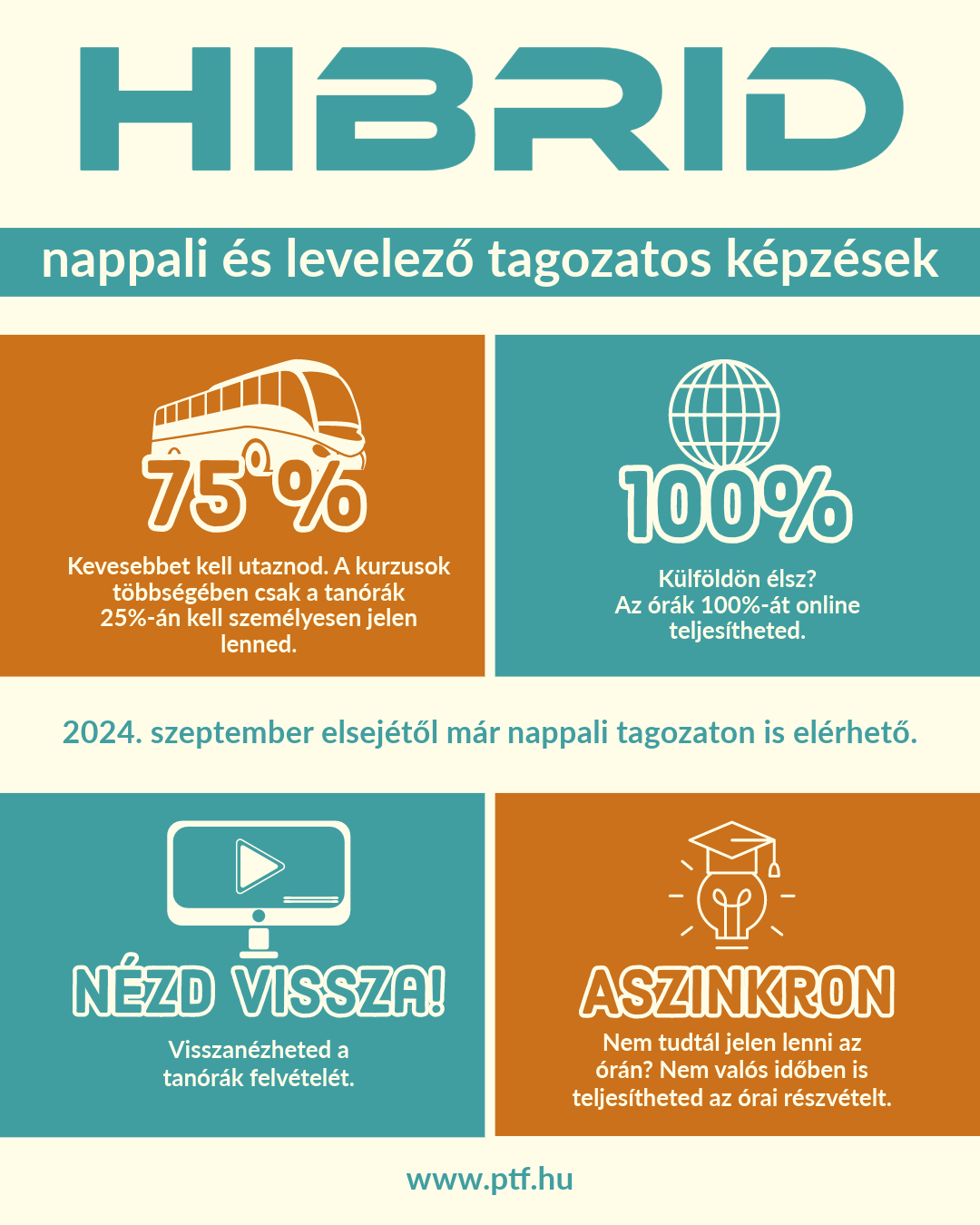
You can also complete 75% of the lessons remotely on a correspondence course. You can connect remotely via phone, tablet or computer. It's like sitting in class: you can comment and ask questions, the instructors and students are listening to you
Do you live abroad? Complete the class attendance 100% online!
If you do not live in Hungary, you can complete 100% of the class attendance online.*
We make it easier to start your studies: from the first month onwards, we financially support the PTF DUPLA START! with a scholarship. You will receive HUF 60 per month in the first semester and HUF 30 per month in the second semester. You will receive this scholarship in addition to all other student grants.
You don't have to worry about housing either: take advantage of the free dormitory accommodation that we provide you in the first semester. We won't leave you to yourself in the second semester either: you can use dormitory housing at half price.
You want to serve, but you feel that enthusiasm is not enough: do you also want to learn? Do you want to build fruitful and growing communities and carry out effective mission work? We will help you with this in our training.
Do you also think that helping families and children is a key area? Would you like to take part in this work and help those in difficult situations? Sign up for our training and do your part to ensure that families and children function healthily and develop - both physically and mentally.
Do you think it is important to deal with the situation of children and families in Hungary? Apply for our further training in child and youth protection if you would like to take part in promoting development.
Do you want to get a degree while making the most of yourself in joint learning, lots of workshops, and an inspired atmosphere under the guidance of our internationally recognized instructors?
Do you want to help others, but feel that you need knowledge and competence in addition to the intention? Sign up for our pastoral psychology training and learn from practicing spiritual caregivers and helpers!